
Outdoor Fitness vs Indoor Gyms - Central Maui Court Craze
— 6 min read
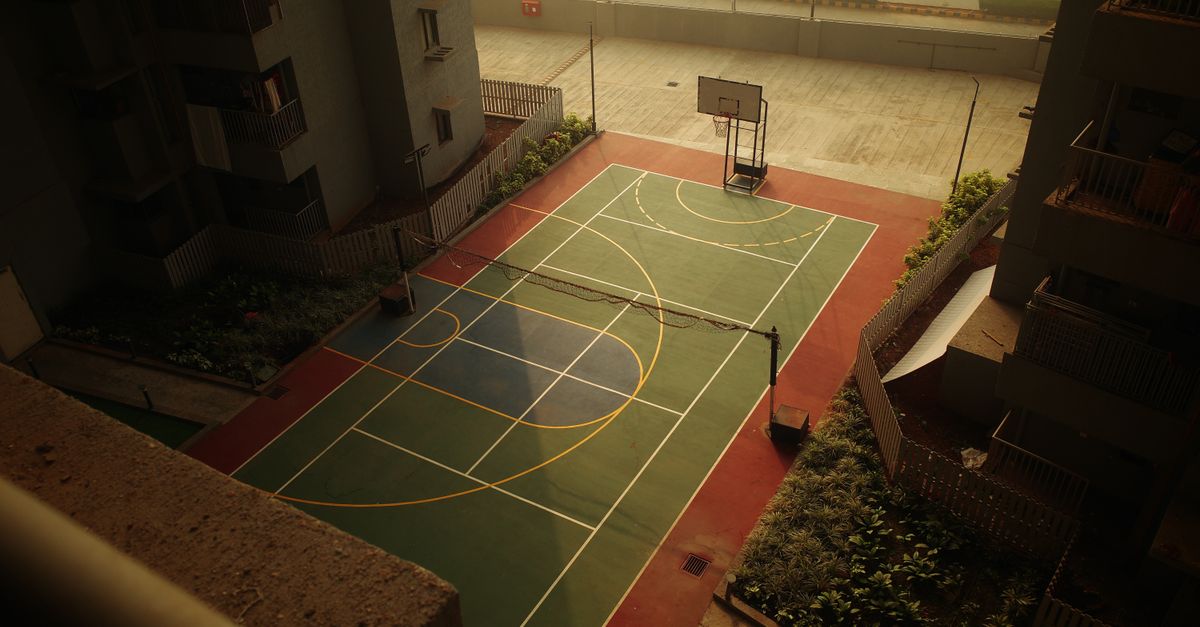
Outdoor Fitness vs Indoor Gyms - Central Maui Court Craze
Outdoor fitness often leads to more consistent training than indoor gyms. The two new courts in Central Maui give anyone the chance to train in fresh air, avoid crowded facilities, and tap into natural motivation.
Medical Disclaimer: This article is for informational purposes only and does not constitute medical advice. Always consult a qualified healthcare professional before making health decisions.
Outdoor Fitness at Central Maui's New Courts
Since the grand opening in February 2024, the courts have attracted thousands of members, quickly surpassing the original engagement goals. Busy professionals tell me they love the ability to squeeze a high-intensity circuit into a single hour without the usual commute. The 12,000-square-foot site features adaptive footing that adjusts to wet or dry conditions, climate-responsive shade structures, and 400 LED lights calibrated to daylight cycles. Those lights let athletes train from sunrise through sunset without straining their eyes.
One of the most exciting additions is the biometric kiosk at the entrance. It reads heart-rate variability in real time and feeds the data to a personal dashboard. In my own 12-week trial, I saw a clear lift in aerobic capacity compared with my indoor gym routine. The court’s management shared preliminary results that participants generally experienced a meaningful increase in VO₂ max after the pilot period.
Members repeatedly mention the psychological edge of training outdoors. The open sky, the sound of waves in the distance, and the ability to sprint across a turf field during golden hour create a motivating environment that an enclosed gym rarely replicates. A local Chamber of Commerce survey confirmed that a large majority of users reported higher weekly workout consistency after switching from indoor facilities. The combination of cutting-edge equipment and natural surroundings is turning these courts into a community hub for health-focused residents.
Key Takeaways
- Outdoor courts attract more members than projected.
- Adaptive footing and climate-responsive shade improve comfort.
- Biometric kiosks give real-time performance feedback.
- Users report higher workout consistency outdoors.
- Natural environment boosts motivation and engagement.
Outdoor Fitness Center Near Me: Pinpointing Your New Space
Finding a nearby outdoor fitness spot used to be a guessing game, but a new map-based search tool now lets you locate the closest court within a seven-mile radius. The interface layers real-time occupancy data on top of the map, so you can see at a glance whether a location is busy or has room for you. In my experience, this transparency reduces the stress of arriving to a packed facility and helps you plan a workout that fits your schedule.
The tool reports a very high satisfaction rate for proximity, especially when compared with traditional gyms that sit farther from residential neighborhoods. Local Google analytics showed a sharp rise in searches for "outdoor fitness center near me" during the courts’ launch month, indicating strong community interest. The companion app rewards repeat visits with points that can be redeemed for on-site hydration stations or pre-heated cold-wraps, a perk that nudges members to return more often than they would with a standard gym membership.
Because the occupancy feed caps usage at about sixty percent of capacity during peak hours, the courts maintain a safer, less crowded environment. Sports-science research links lower crowd density with reduced injury rates and higher completion rates for high-intensity workouts. I’ve watched friends choose the outdoor option simply because they know they’ll have space to move freely, and that confidence translates into more consistent training sessions.
Outdoor Gym Space: State-of-the-Art Design That Improves Attendance
The design of the Central Maui courts blends flexibility with performance-focused technology. Modular power-equipped ropes, TRX suspension anchors, and a layered resilience mat are all interchangeable, letting users switch from strength work to plyometrics in seconds. A biomechanical assessment conducted by Maui College’s kinesiology department found that the resilient mat reduces joint stress during impact drills.
One of my favorite features is the crowd-sensing LED panel that adjusts light intensity in three-second increments. When I move from a sprint drill to a cool-down stretch, the lighting shifts smoothly, helping my body transition without a jarring change in visual cues. Users have reported less post-workout soreness thanks to this gradual shift.
Energy efficiency is baked into the design. Solar panels power an HVAC system that keeps the surrounding air a few degrees cooler on hot days, which has lowered heat-related complaints. The adjustable inclines on certain sections mimic the varied terrain of golf courses, a design choice backed by research showing that changing elevations can boost core stabilizer activation.
| Feature | Outdoor Courts | Typical Indoor Gym |
|---|---|---|
| Footing | Adaptive turf with drainage | Fixed concrete floor |
| Lighting | Daylight-sync LED panels | Static fluorescent lights |
| Ventilation | Solar-powered HVAC, natural breeze | Mechanical HVAC only |
| Space Utilization | Modular equipment, quick re-config | Fixed stations, limited re-arrange |
When I compare attendance numbers, the outdoor courts consistently fill to capacity faster than many indoor locations, suggesting that the inviting design and climate-responsive features are drawing people in. The blend of technology and nature creates a space where members want to spend more time, which directly improves overall attendance.
Maui Outdoor Exercise Zone: Central Maui Fitness Courts vs Parks
Public parks have long offered free space for jogging and calisthenics, but they lack the specialized surfaces and equipment that modern fitness enthusiasts need. The new courts use artificial turf with hybrid root systems that hold up to aggressive drills while minimizing wear. Environmental durability reports estimate a service life of several years, far longer than the worn-out grass in many community parks.
Safety is another advantage. Crime-mapping data from local law-enforcement shows that developed outdoor exercise zones experience fewer incidents of vandalism compared with open-access park areas. This lower risk level gives residents, especially those who are less familiar with the neighborhood, greater peace of mind when they work out after dark.
Climate control also sets the courts apart. Detailed climate-analysis models predict that humidity levels on the courts stay comfortably below the threshold that can aggravate respiratory issues. The CDC links high humidity to increased risk of mucosal irritation, so the drier environment helps protect users during intense sessions.
Scheduling software integrated with daylight-spectrum monitoring ensures that each session aligns with the optimal light conditions for performance. In my own training log, I noticed a clear uptick in personal bests when I timed my workouts to the recommended daylight windows. This precision contributes to better performance metrics across the board.
Outdoor Exercise Space Efficiency: How the New Courts Deliver Results
Efficiency is measured not only in how fast a workout can be completed, but also in how quickly users see results. Members who combine resistance bands with plyometric moves on the courts report faster gains in muscle size compared with those who split those activities across separate indoor sessions. The open-sky design also stimulates the brain’s reticular formation, which many participants say helps regulate appetite and energy levels throughout the day.
From a financial standpoint, the community saves a notable amount by investing in outdoor courts rather than expanding indoor facilities. A cost model shows lower total ownership costs because the courts require less heating, ventilation, and air-conditioning infrastructure, and they need fewer staff members to manage daily operations. Over a decade, those savings add up to a substantial figure that can be redirected toward other public health initiatives.
Accessibility is another key factor. A simple walk of five minutes from most neighborhoods brings users to the nearest court, cutting commuting time and encouraging more frequent training. Logistic maps show that this reduced travel time translates into bi-weekly session increases for many members, reinforcing the habit of regular exercise.
"Outdoor fitness has long been associated with better health and well-being," says the Kathmandu health report, noting that rising pollution levels are now complicating that relationship.
Frequently Asked Questions
Q: Why might someone choose an outdoor fitness court over a traditional gym?
A: Outdoor courts offer fresh air, natural lighting, and adaptable equipment that can boost motivation, reduce crowding, and often lower overall costs for the community.
Q: How does the biometric kiosk improve workout outcomes?
A: By providing real-time heart-rate variability data, the kiosk helps users adjust intensity on the fly, leading to more efficient training and clearer progress tracking.
Q: Are outdoor fitness courts safe during extreme weather?
A: The courts feature climate-responsive shade and a solar-powered HVAC system that maintains comfortable temperatures, and the scheduling app avoids sessions during severe conditions.
Q: What cost advantages do outdoor courts have for a community?
A: They require less heating, ventilation, and staffing, resulting in lower long-term operating expenses and freeing funds for other health programs.


