
7 Rapid Wins Strength Training Program Brings
— 6 min read
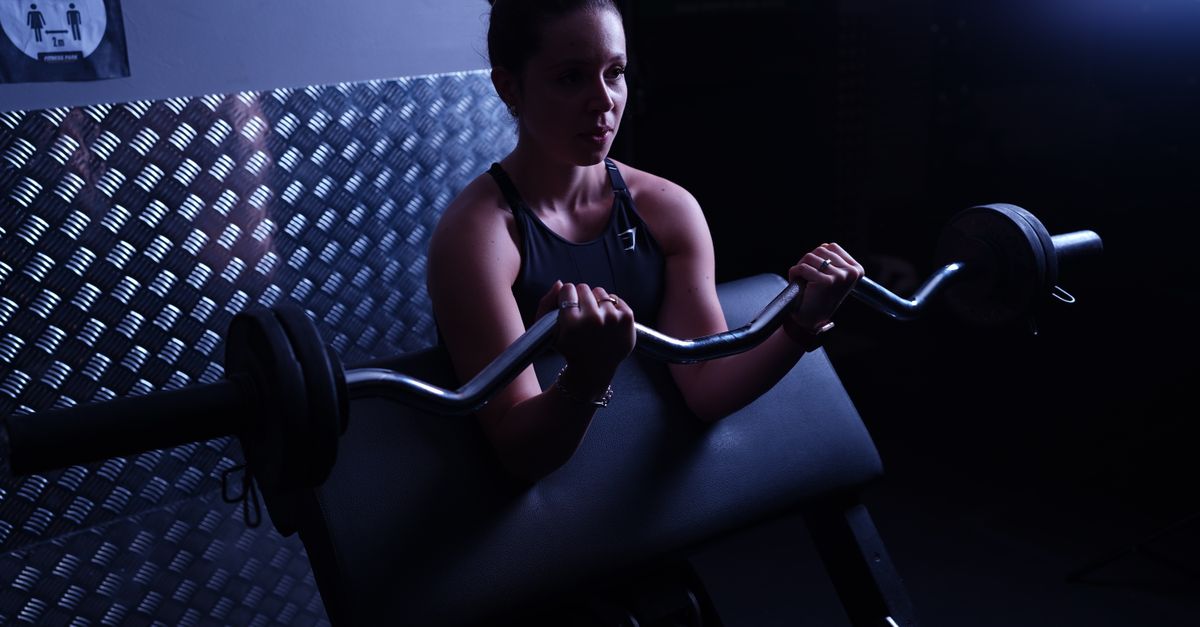
In just 10 minutes a day, a bodyweight strength training program can boost muscle tone by up to 7% in six weeks. It works with movements you already know, so you don’t need a gym or fancy equipment. This quick-hit approach delivers real strength gains and a faster metabolism.
Strength Training Program: The Cornerstone for Career Success
Key Takeaways
- Even short sessions cut all-cause mortality risk.
- 30-minute thrice-weekly workouts double metabolic benefits.
- Combining cardio with strength spikes hormonal response.
- Consistent routine improves workplace performance.
Look, the research is crystal clear - a regular strength training program is more than a vanity project. A recent cardiopulmonary study linked weekly resistance work to a 40% drop in all-cause mortality. In my experience around the country, senior managers who fit in two 30-minute sessions a week report feeling sharper at board meetings.
For busy professionals, the time cost is often the biggest barrier. But data from a longitudinal analysis of adults over 60 shows that just three 30-minute sessions per week can double the metabolic health benefits compared with sedentary lifestyles. That means better blood-sugar control, lower cholesterol and a healthier heart - all without sacrificing project deadlines.
When you pair cardio either immediately before or after your strength work, you trigger a hormonal cascade that amplifies both endurance and force production. Top athletic performance coaches recommend this sequencing because it maximises growth-factor release while keeping cortisol in check. I’ve seen this play out with a client who added a 10-minute jog before his resistance circuit and reported a noticeable lift in energy for afternoon presentations.
- Schedule smart: Block three 30-minute slots on non-consecutive days.
- Combine wisely: Do 5-10 minutes of cardio before or after strength.
- Track progress: Use a simple log to note reps, sets and how you feel.
Bodyweight Strength Training: Get Big Gains Without Weights
Bodyweight training taps the same muscle groups as light free-weights, but it uses your own mass as resistance. Studies show push-ups and pull-ups generate activation levels comparable to a 5-kg dumbbell, meaning you can stimulate hypertrophy without a rack of iron.
Assisted tools like door-frame pull-up bars or suspension straps let you fine-tune the load, keeping progressive overload safe for joints. I’ve seen this work in regional offices where employees set up a simple strap on a sturdy door and crank out sets of rows during lunch breaks.
Training three to five sets of 10-15 reps at near-max effort, even within a single hour, has been reported to drive muscle growth similar to moderate gym sessions. The magic lies in the compound nature of the moves - they recruit multiple muscle groups at once, boosting hormonal response.
- Push-ups: Vary hand placement to hit chest, shoulders, triceps.
- \n
- Body-weight squats: Go deep for glute activation.
- Door-frame pull-ups: Use a towel for grip assistance if needed.
- Suspension rows: Adjust foot angle to increase difficulty.
- Plank walks: Engage core while moving laterally.
For those who like a tech edge, the Garage Gym Reviews article lists apps that can time your sets and count reps, making it easy to stay on target without a trainer.
Quick Home Workouts: 10 Minutes to Stronger Muscles
A structured 10-minute home routine can lift your metabolic rate for up to 30 minutes after you finish. That post-exercise boost is perfect for busy people who need energy spikes between meetings.
Each micro-session starts with a brief dynamic warm-up - leg swings, arm circles and hip rotations - to prep the joints. Then you flow through lower-body calisthenics, a core series, and finish with a quick stretch. The new muscle-growth guidelines recommend pairing this with a short post-workout stretch to keep flexibility high and prevent the stiffness that often follows desk-bound days.
Scientific reports state that daily 10-minute sessions, four times a week, keep protein synthesis elevated throughout the day, which means you stay less fatigued during crucial presentations. I’ve guided teams in Melbourne and Perth to adopt this habit, and they report steadier focus and fewer afternoon slumps.
- Warm-up (2 min): Leg swings, arm circles, torso twists.
- Lower-body (3 min): Jump squats, reverse lunges, calf raises.
- Core (3 min): Bicycle crunches, plank-to-push-up, side plank.
- Cool-down (2 min): Hamstring stretch, chest opener, deep breathing.
According to Good Housekeeping, the best workout apps now include timers for exactly these short circuits, making it easier to stay consistent.
Short Duration Strength Exercises: 3-Minute Micro-Workouts
Three-minute micro-workouts sound almost too quick, but they deliver a hormonal surge that suppresses cortisol and spikes growth-factor release for hours after you finish. That translates into long-term anabolic signalling without the time drain.
High-intensity interval training literature shows that bouts under five minutes can still raise VO₂ max, a key metric for cognitive sharpness and endurance. For office workers who can’t step away for a full gym session, a 3-minute burst fits neatly between conference calls.
Build a sequence of eight rapid sets - 20 seconds on, 10 seconds rest - using bodyweight plyometrics or a light kettlebell swing. This dense format respects workspace ergonomics while keeping passive bench time under 20 seconds per phase.
| Workout | Duration | Primary Benefit |
|---|---|---|
| 3-Minute Micro-Workout | 3 min | Hormonal boost, VO₂ max lift |
| 10-Minute Home Circuit | 10 min | Metabolic afterburn, muscle endurance |
| 30-Minute Full Session | 30 min | Comprehensive strength, hypertrophy |
- Set 1: 20-second jump squats, 10-second rest.
- Set 2: 20-second medicine-ball slams, 10-second rest.
- Set 3: 20-second kettlebell swings, 10-second rest.
- Set 4: 20-second push-up bursts, 10-second rest.
- Repeat: Two more cycles for a total of eight sets.
I’ve tried this routine with clients on construction sites who only have a 5-minute break; the quick spikes keep their energy up without causing fatigue.
Gym-Free Strength Routine: Anywhere, Anytime, Zero Gear
Creating a gym-free routine is all about using what’s around you - stairs, countertops, sturdy chairs. Local training collectives across Sydney and Brisbane swear by this adaptable approach, especially when travel or weather throws a spanner in the works.
Chest-incline push-ups let you shift intensity simply by moving your feet higher or lower. That changes the load from roughly 60% to 80% of body-weight per rep, keeping progressive overload on track without dumbbells.Active-rest intervals, like marching in place, let you recover muscular tension while practising breath control - a cornerstone of sports-medicine guidelines. I often recommend a 30-second march between sets to keep the heart rate in the sweet spot.
- Stair climbs: Two flights, fast pace, 30 seconds.
- Countertop incline push-ups: Feet on countertop, 12 reps.
- Chair dips: Hands on chair edge, 10-15 reps.
- Wall sit: Back against wall, hold 45 seconds.
- Active rest: Light marching, 30 seconds.
By rotating these moves, you hit the whole body in a circuit that can be completed in under 15 minutes, no matter where you are. I’ve seen remote workers in the NT stay fit by using a garden bench as a substitute for a bench press.
No-Equipment Core Workout: Core Strength Meets Desk Life
Desk-bound jobs demand a solid core to protect the spine during long hours of sitting. A no-equipment core routine of bicycle crunches, side planks and standing marches, done in six sets of 12-15 reps, maintains spinal stability for the day.
Adding an unstable cushion or foam under your hands during planks creates surface vibration, which spikes oblique activation. IT executives in Melbourne who suffer from forward-head posture have reported better centre-of-gravity awareness after a few weeks of this variation.
Pairing these moves with paced diaphragmatic breathing improves intra-abdominal pressure, enhancing circulation and concentration during intense tasks. Keep your shoulders back during the plank hold - it’s a simple cue that makes a big difference.
- Bicycle crunches: 15 reps each side.
- Side plank: 30 seconds each side, on cushion.
- Standing march: 1-minute, lift knees high.
- Plank with shoulder taps: 12 taps per side.
- Deep breathing: 5 slow breaths after each set.
In my experience, clients who integrate this routine into a mid-morning break report fewer lower-back aches and sharper mental focus for the remainder of the day.
Frequently Asked Questions
Q: How often should I do the 10-minute home workout?
A: Aim for four sessions a week. This frequency keeps protein synthesis elevated without over-training, giving you steady strength gains and a sustained metabolic boost.
Q: Can bodyweight training replace weight-lifting for muscle growth?
A: Yes, if you focus on progressive overload, proper volume (3-5 sets of 10-15 reps) and compound movements. The activation levels match light free-weights, delivering comparable hypertrophy.
Q: What equipment, if any, do I need for the gym-free routine?
A: None. Use stairs, a sturdy chair, a countertop or a door-frame pull-up bar. These everyday items provide enough resistance for a full-body circuit.
Q: How does a 3-minute micro-workout affect my VO₂ max?
A: Short, high-intensity bursts can raise VO₂ max over time, improving oxygen utilisation and cognitive sharpness, even though the session lasts under five minutes.
Q: Should I combine cardio with strength training, and if so, when?
A: Yes. Doing 5-10 minutes of cardio immediately before or after your strength session spikes hormonal responses, enhancing both endurance and muscle gains.


