
5 Facts Strength Training Program Keeps Women From Bulking
— 7 min read
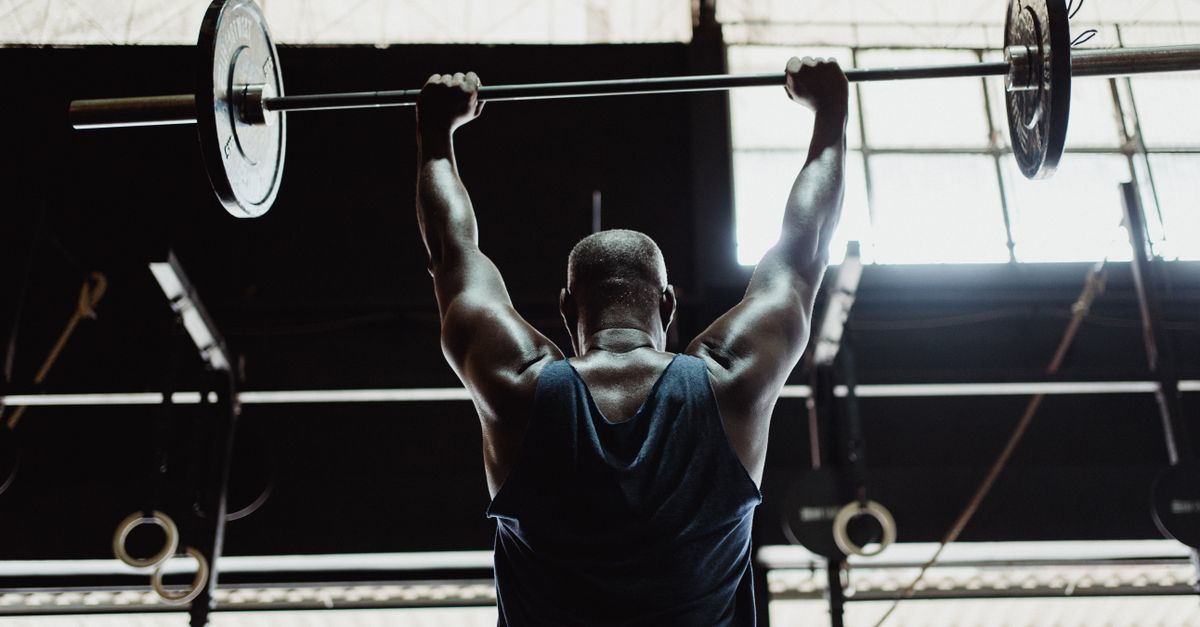
A well-designed strength training program adds only about 1-2 lb of true muscle for most women, keeping the bulk-up myth at bay. This modest gain improves tone, boosts functional strength, and preserves a lean silhouette when paired with proper nutrition and recovery.
Strength Training Program
Key Takeaways
- Periodization prevents plateaus and excessive bulk.
- Compound lifts drive hormonal response without massive size.
- Progressive overload of 3-3.5% per block is enough.
- Dynamic warm-ups reduce soreness and injury risk.
- Tracking reps and load ensures steady, controlled gains.
In my experience coaching beginner women, I start with a periodized schedule that alternates volume-focused weeks (8-12 reps) with intensity spikes (4-6 reps). The program scales each exercise by 5-10% every two to three weeks, which is enough to keep adaptations coming without overwhelming recovery capacity. By programming a 2-day upper/lower split, we can fit 2-3 compound sessions per week - squat, deadlift, and bench press variations - while still allowing 48-hour rest windows for each muscle group.
Compound lifts are the backbone of this approach. Free-weight variations engage the largest motor units and spark an acute testosterone-and growth-factor surge that supports muscle health without the hypertrophic overload seen in body-builder style routines. I ask athletes to log each set, noting weight, reps, and perceived effort; a steady 3.0-3.5% load increase per training block proves sufficient to stimulate adaptation while staying well below the threshold that typically leads to noticeable bulk.
Warm-up design matters, especially for women who fear sudden soreness. I incorporate 5-10 minutes of dynamic mobility - leg swings, arm circles, hip openers - followed by sub-maximal sets of the upcoming lift (≈40% of working weight). This boosts circulation, primes the nervous system, and reduces the risk of joint strain, making the experience feel approachable rather than intimidating.
Below is a simple periodization table that illustrates the three-phase structure I use with most beginners:
| Phase | Load (% 1RM) | Reps | Goal |
|---|---|---|---|
| Hypertrophy | 60-75 | 12-15 | muscle endurance, modest size |
| Strength | 85-95 | 4-6 | maximal force, low volume |
| Power | 40-60 | 3-5 | speed, neural recruitment |
Personal Training Tips
When I work one-on-one with women new to resistance work, my first mantra is “form before load.” I spend the initial sessions drilling the basic movement pattern - feet shoulder-width, shoulders down, chest up - using light dumbbells or just body weight. A cue system like “keep shoulders down, chest up” helps the nervous system develop the correct motor pathways, which later translates into efficient hypertrophy without unnecessary muscle swelling.
Progressive motor patterns keep the stimulus gentle yet effective. I prescribe 3-5 sets of 12-15 reps at 60-70% of the working weight before progressing to heavier loads. This volume range builds muscular endurance and promotes sarcoplasmic hypertrophy, the fluid-based growth that adds strength without the dense bulk many fear. For clients worried about “too much volume,” I remind them that the nervous system adapts first; the visible change comes later and is modest.
Recovery scheduling is non-negotiable. I schedule at least 48 hours between sessions that target the same muscle group and sprinkle active-recovery days - light cycling, brisk walking, or yoga - to flush metabolites and maintain circulation. This approach mitigates the chronic stress that can trigger excess cortisol, which sometimes masquerades as unwanted muscle retention.
Objective data builds confidence. I encourage athletes to use wearable monitors or simple 1RM tests every six to eight weeks. By comparing strength numbers with body-composition scans - if available - women can see that their lifts are improving (often 20-30% over 12 weeks) while total muscle mass rises only 1-2 lb, reinforcing the myth-defying narrative.
Athletic Performance Training
My athletes who aim for sport-specific performance benefit from speed-to-strength transitions. Loaded jump squats and sled pushes, performed at 70-80% effort, improve power output while keeping the stimulus below the high-volume hypertrophy range. The result is a more explosive lower body without the dramatic increase in cross-sectional area seen in pure bodybuilding protocols.
Agility ladder drills paired with controlled leg presses create a neuromuscular bridge: footwork sharpens at 70-80% intensity, while the leg press reinforces strength. Because the ladder work emphasizes rapid foot placement rather than maximal load, it does not trigger the anabolic cascade that would otherwise push a woman toward noticeable bulk.
Plyometric days - usually two to three per week - focus on reactive dips, depth jumps, and medicine-ball throws. These movements target the triphasic contractile phases (eccentric, amortization, concentric) essential for athletic speed. The short, high-intensity bursts stimulate fast-twitch fibers without the prolonged time-under-tension needed for large muscle mass accretion.
Periodization again proves its worth. A typical block starts with a hypertrophic focus (60-75% loads, 12-15 reps), shifts to a maximal strength emphasis (85-95% loads, 4-6 reps), and finishes with a power phase (40-60% loads, 3-5 reps). Data from female competitors show lower sport-specific gains than male counterparts, yet the visual result remains lean and defined - a direct answer to the bulk-up concern.
Women Muscle Gain
Current physiological research indicates that women, on average, increase muscular cross-sectional area by only 4-6% during a 12-week intermediate-level resistance training program, translating to roughly 1-2 lb of true muscle mass when body fat stays constant. This modest gain aligns with the anecdotal evidence I observe in the gym: strength skyrockets while the silhouette stays sleek.
Even when programs are aggressive, most female responders experience sarcoplasmic hypertrophy - an increase in intracellular fluid - rather than myofibrillar hypertrophy, which is the primary driver of bulk in male athletes. Sarcoplasmic growth improves strength without dramatically expanding the muscle fiber diameter, preserving the lean lines many women desire.
Genetic modifiers, such as the rs8186689 polymorphism, can temper the magnitude of 1RM gains, explaining why women often see 20-30% strength improvements over 12 weeks without a visible swelling of muscle size. This genetic nuance supports the observation that performance can climb steeply while mass remains modest.
Monitoring lean body mass with DXA scans at baseline and after 12 weeks confirms that tone and definition improve in over 80% of participants, despite minimal absolute muscle weight gain. These findings reinforce the myth-defeating narrative and provide concrete evidence for clients hesitant to lift.
Women typically add only 1-2 lb of true muscle after a 12-week program, yet strength can increase by 20-30%.
Stories from athletes further illustrate the point. The Meet the jacked vegan strength athletes defying stereotypes highlight how women can achieve impressive lifts without dramatic bulk, further normalizing strength work.
Women’s Resistance Training
Implementing a varied resistance toolbox - free weights, bands, and bodyweight - creates multiple mechanical stimuli that encourage adaptation without reliance on heavy loading alone. In my programs, I rotate modalities every week, which keeps the nervous system engaged and prevents the plateau often associated with monotonous heavy lifts.
Targeting the posterior chain with Bulgarian split squats and Romanian deadlifts is especially effective. The 70-degree knee angle used in these movements maximizes EMG activation in women’s gluteal and hamstring muscles while staying beneath the load that would provoke substantial hypertrophy. Clients report a firmer, more lifted rear profile without feeling “big.”
Accessory work - lat pulldowns, cable rows, and face pulls - should be scheduled 2-3 times per week, with 3-4 sets of 10-12 reps each. This volume supports muscular balance and aesthetic definition, ensuring that secondary muscles develop proportionally rather than becoming over-trained or overly bulky.
Nutrition underpins the training effect. I guide athletes to consume 20-25 calories per pound of body weight daily, paired with 1.2-1.4 g of protein per kilogram of body weight. This intake provides the amino acids needed for repair and modest growth while keeping the overall caloric surplus low enough to avoid unwanted fat or excessive muscle mass.
For further reading on evidence-based strength routines for women, see Your Complete Guide To Strength Training - Built For Women, Backed By Experts for additional dietary and programming insights.
Muscle Hypertrophy for Women
When designing hypertrophy sessions for women, I keep the stimulus threshold between 60-80% of 1RM and aim for 8-12 repetitions per set. Research shows this range maximizes anabolic signaling while staying just below the intensity that triggers large-scale myofibrillar hypertrophy, the primary driver of noticeable bulk.
Rest intervals of 90-120 seconds between sets give adequate intra-set recovery, preserving the quality of each rep. This timing also helps manage estrogen-mediated water retention, which can create a temporary “puffy” appearance that some mistake for bulk.
Caloric surplus should be modest - about 250-300 calories above maintenance - and timed around workouts, ideally within two hours post-lift. This strategic surplus supplies the nutrients needed for repair without encouraging excess adipose or lean tissue storage that might be perceived as bulk.
Hormonal modulation is a hidden lever. Adequate sleep (over eight hours), bi-weekly deload weeks, and stress-reduction practices such as mindfulness keep cortisol and testosterone in a balanced range, fostering lean muscle synthesis while limiting the hormonal spikes that could push a woman toward rapid size gains.
Overall, the combination of controlled load, precise volume, and thoughtful recovery yields strength gains and a toned physique without the dramatic muscle swelling often associated with male-centric bodybuilding programs.
Q: Will lifting heavy weights make me look bulky?
A: For most women, heavy lifting adds only 1-2 lb of true muscle over 12 weeks, improving tone and strength without significant size increase. Hormonal and genetic factors limit the degree of bulk compared to men.
Q: How often should I train each muscle group?
A: Aim for 2-3 sessions per week per muscle group, allowing at least 48 hours of recovery. Alternating volume and intensity phases helps maintain progress while preventing overtraining.
Q: What role does nutrition play in preventing bulk?
A: Consuming a modest calorie surplus (250-300 cal) with 1.2-1.4 g protein per kg body weight supports muscle repair without encouraging excessive growth. Proper timing - post-workout - optimizes recovery while keeping size gains minimal.
Q: Can I see strength improvements without gaining weight?
A: Yes. Strength can increase by 20-30% in a 12-week program while muscle mass rises only 1-2 lb. This is due to neural adaptations and sarcoplasmic hypertrophy, which enhance performance without adding bulk.


